

Bloomington real estate
Bloomington, Indiana real estate, explained by a local.
Older homes near campus, mid-century ranches, newer subdivisions, condos, and acreage out in the county. Here’s how it fits together, and where to start.
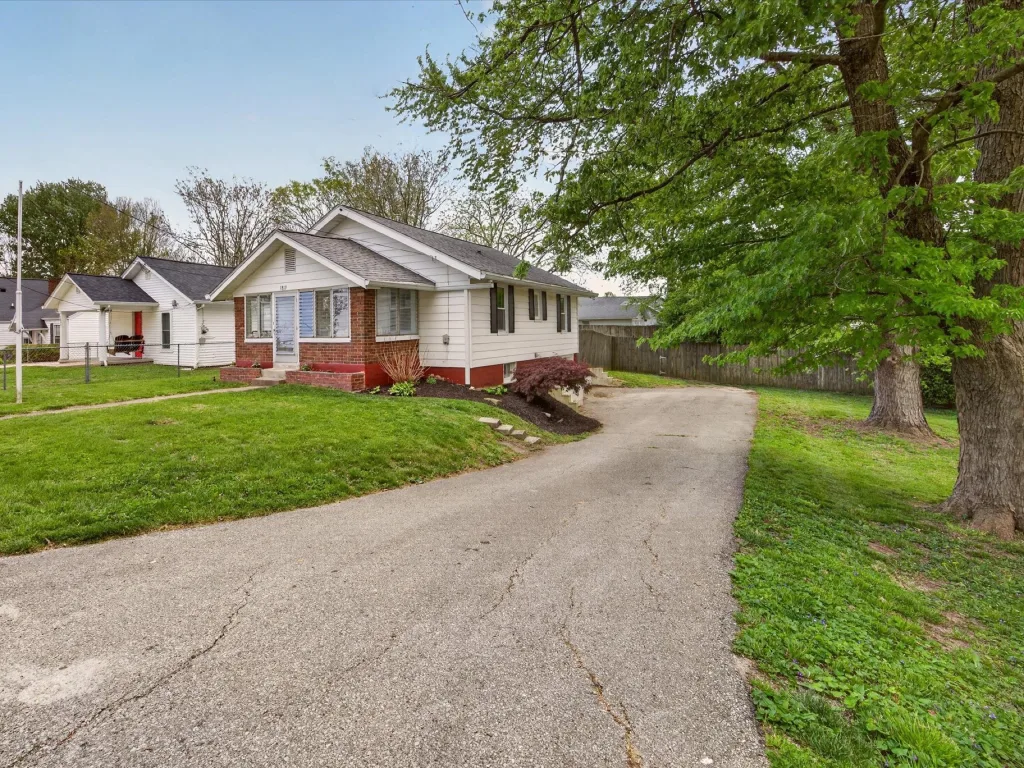
I’ve lived in Bloomington my whole life, and I’ve watched its neighborhoods grow and change from the same house on the north side. Bloomington, Indiana real estate covers a lot of ground in a small area: a college town, a county seat, and the start of southern Indiana’s hill country, all within a short drive.
This page is an overview. It covers the kinds of homes you’ll find, how the areas of town differ, and where to go next whether you’re buying or selling.
Types of homes in Bloomington
- Older homes near downtown and campus. Close-in streets with older houses, some historic, often on smaller lots.
- Mid-century ranches and split-levels. Common in established neighborhoods around town.
- Newer subdivisions. Usually on the edges of town, some with homeowners associations.
- Condos. Found in several parts of town, including downtown and near campus.
- Small multi-unit buildings. Duplexes and small buildings, especially near campus.
- Acreage and country homes. Out in Monroe County, often with septic systems and private wells.
- Lake homes. Around Lake Lemon and near Lake Monroe, from year-round homes to weekend cabins.
That range is why knowing the area matters. Two homes at the same price can feel completely different to live in.
Areas of town at a glance
| Area | What you’ll find |
|---|---|
| North | Established neighborhoods like Blue Ridge, Fritz Terrace, and Marlin Hills, wooded lots, and quick access to Griffy Lake and Morgan-Monroe State Forest |
| East | Established neighborhoods, newer developments including Renwick, and the College Mall shopping area |
| South | Winslow, Sherwood Oaks, and Clear Creek, with access to Switchyard Park and the B-Line Trail |
| Downtown and IU | Condos, older houses, and small multi-unit buildings within walking distance of campus and the square |
| Near West, Prospect Hill, Maple Heights, and McDoel Gardens | Historic homes on close-in streets near downtown |
| Elm Heights and Bryan Park | Historic homes between campus and downtown’s south side |
| West | Highland Village, Van Buren, Fieldstone, and Broadview, where town gives way to rural Monroe County |
| Ellettsville and rural Monroe County | A small town to the northwest, plus acreage and country homes around the county |
Explore the areas
Start with the Bloomington neighborhoods overview, or read my guide to North Bloomington, where I’ve lived all my life. If you’re drawn to the water, see Lake Lemon real estate and Unionville. Moving from out of town? The moving to Bloomington guide covers how the city is laid out and how to time your search.
Where to start
Buying a home
How buying works, what it costs to work with me, and guides for first-time buyers and homes near IU.
Selling a home
How I market your home, what to expect when you sell, and how to request a home value review.
Homes for sale
Search current listings across Bloomington and Monroe County, and see the homes I’m representing.
Bloomington neighborhoods
How the areas of town differ by location and types of homes.
Moving to Bloomington
How the city is laid out, getting around, and what to know before you arrive.
Search homes for sale
Browse current listings in Bloomington and Monroe County. When you’re ready to tour, send me a note and I’ll set it up.
Source: Indiana Regional MLS
IDX information is provided exclusively for consumers’ personal, non-commercial use and may not be used for any purpose other than to identify prospective properties consumers may be interested in purchasing. Information is deemed reliable but not guaranteed.
Listing information courtesy of Indiana Regional MLS.
How I work
- Local first. I know Bloomington by its streets, not just its zip codes.
- Clear communication. You’ll know what’s happening and what comes next, without having to chase me for it.
- Marketing that shows. Listings get the photography, design, and storytelling I spent two decades learning.
- Honest advice. If a house, a price, or a timeline doesn’t make sense, I’ll tell you.
I’m an independent agent with REMAX Acclaimed Properties. You work with me directly, from the first conversation to the closing table. Read more about me.
Common questions
When is the busiest time to buy or sell in Bloomington?
The market moves to the rhythm of IU. Spring and summer are usually busiest, as new faculty and staff look to settle in before the fall semester. Winter can be a good time to buy, with fewer buyers out looking.
Do you work outside Bloomington?
Yes. I help buyers and sellers across Monroe County, including the lake areas and rural properties around town.
Buying, selling, or just starting to wonder?
I’m happy to answer questions. There’s no pressure and no obligation.
Official sources
- City of Bloomington: Planning and Transportation
Zoning, permits, and plans inside the City’s planning jurisdiction. - Monroe County Planning Department
Zoning and land use in the County’s jurisdiction. - City of Bloomington Utilities: Utility providers
Water and sewer inside the city, plus the City’s list of other providers. - Monroe County Treasurer
Property tax bills and due dates.